
by Brice Boorman
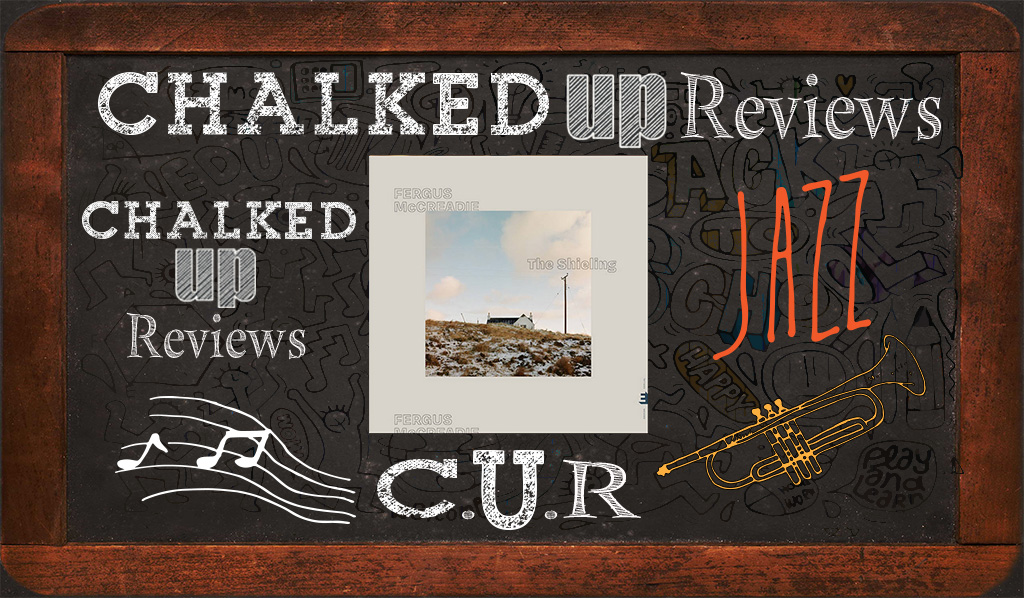
Fergus McCreadie’s The Shieling captures a winter‑touched landscape in sound, opening with the plaintive wail of bagpipes that melt into a modern Irish‑folk‑jazz theme. Recorded in a remote cottage on North Uist and released in October 2025 on Edition Records, the trio’s three‑day immersion yields an album that is elemental and meticulously creative. Produced by fellow Mercury‑shortlisted artist Laura Jurd, the session’s lack of pre‑planned material allowed the music to unfold organically, granting each take a fresh urgency. The result is a piano‑trio record that balances raw, rustic resonance with McCreadie’s Scottish jazz invention.
Within McCreadie’s discography, The Shieling follows the critically lauded Cairn, Forest Floor and Stream, marking a decisive shift toward a more expansive folk‑jazz vocabulary. By situating the music in the stark beauty of the Outer Hebrides, the album recalls the pastoral lyricism of classical while retaining the kinetic drive of folk-jazz, both aligning to create a streaming pulse that underlines the rhythmic propulsion throughout.
The trio’s interplay is anchored by David Bowden’s resonant double‑bass, whose solo on “Fairfield” showcases a rich tonal palette that weaves melodic strands through the chordal fabric. Stephen Henderson’s drums provide textural nuance, from brush‑laden subtleties on “Ptarmigan” to a full‑bodied solo that lifts the climax of “Eagle Hunt.” McCreadie’s piano work alternates between lyrical arpeggios, such as the folk‑inspired figure on “Wayfinder,” and dense contrapuntal layers that propel the music forward, exemplified by the pedal‑tone development on “Climb Through Pinewood.”
“Wayfinder” opens the set with a jig‑like motif that evokes traditional Highland reels while simultaneously exploring open harmonic spaces, a balance highlighted by the bagpipe introduction. “Lily Bay” unfolds as a contemplative folk jazz ballad, its structured improvisation revealing the trio’s deep communicative empathy and a seamless blend of classical, Irish, and folk‑jazz idioms. The closing piece, “The Orange Skyline,” has a textured arpeggiated piano line and a soaring pedal tone that resolves the album’s energy with a satisfying emotional release.
Recording the trio in a single room fostered an immediacy that permeates the energy and flow of the music. The collective creation of the music is evident when Henderson establishes a rhythmic feel on “Windshelter” before McCreadie introduces the main melody, allowing the bass and drums to respond in kind. Bowden’s improvisational bass line consistently treats the harmonic framework as a melodic partner, enriching the album’s storytelling. The spontaneous nature of the sessions produced a cohesive soundscape where individual voices merge into a unified cinematic Scottish jazz whole.
The Shieling is a compelling synthesis of Scottish folk heritage, classical, and contemporary jazz articulation, delivering vivid sonic portraits of the Hebridean wilderness without sacrificing structural sophistication. The album’s ambition stretches the trio’s dynamic range; the overall effect is one of honesty and refined craftsmanship, confirming Fergus McCreadie’s place among Europe’s most compelling modern jazz composers.

 By
By